“Oh my God, Mum. You’re so insecure.”
- Ruth Thornton
- May 5
- 3 min read

Said by an 11-year-old. Straight to the point.
We were in the car. I can’t even remember what I’d said - something about whether I’d handled something well, something about whether someone had thought something of me.
And she just looked at me from the back seat and said,
“Oh my God, Mum. You’re so insecure.”
Eleven years old. Not unkind. Just accurate.
I laughed. And then I sat with it for a bit.
She wasn’t wrong. And the interesting part isn’t that I felt insecure at that moment. It’s what I was being insecure about.
What do I actually need to achieve to feel proud of myself?
Not what would look good. Not what would quiet the voice. What would actually be enough?
I didn’t have a clean answer. I’m not sure I do now.
The bar that keeps moving
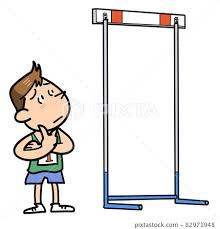
The bar is almost never fixed. You clear one thing and it’s already moved. The programme launches well and instead of feeling proud, you’re already wondering if it will last. The difficult conversation happens and you spend the afternoon replaying your word choices.
The critical voice often shows up when something matters enough to be afraid of getting it wrong. Or when the gap between how you see yourself and how you’re afraid others see you feels too wide. Or when you’ve been measuring yourself against a standard that was never really yours.
And sometimes it shows up because you’ve set the bar somewhere you would never dream of putting it for anyone else.
Think about what we tell a friend who’s second-guessing a decision. You did what you could. You handled it. You’re being too hard on yourself. We’d say it without thinking. But when it’s us? We’re never that kind. Never that forgiving. Rarely even that supportive.
The research backs this up too. I’ve been reading some of Kristin Neff’s work recently. She has spent years looking at what self-criticism does to us - and one of the things she keeps finding is that it doesn’t work the way we think it does. We believe we need it. That without it we’d lose our edge. The opposite turns out to be true.
The voice keeps going. Not because you’re failing. It’s often the opposite.
The bit I’m still figuring out
Telling someone to just be more confident, or less self-critical is a bit like telling someone to just be taller. It doesn’t really help.
What does help, what I come back to with the leaders I work with, and what I use myself, is two questions.
What would good enough actually look like?
Something specific. Not a feeling. Because the bar only keeps moving if it’s never pinned down.
What evidence is there that you're not good enough — really?
Because the voice is rarely working from the full picture. It picks up what confirms the story and quietly sets the rest aside. Going back through what actually happened usually tells a different one.
And there’s a third one I find myself coming back to, which is simpler than both of them: what would you say to a friend who came to you with this thought?
Not a rhetorical question. An actual one. Because most of us know exactly what we’d say.
And it’s never what we’re saying to ourselves.
They’re not magic questions. But they slow the voice down. And sometimes that’s enough.
My daughter isn’t going to let me get away with much. Which is, probably, a pretty good thing to have in my corner (when she’s not pointing out my grey hairs, or suggesting I use a stronger hair dye!).
“The inner critic doesn’t always mean you’re not good enough. It just means you’re holding yourself to a bar you’d never set for anyone else.”